Why Crop Rotation Matters: A Beginner’s Guide to Healthier Soil
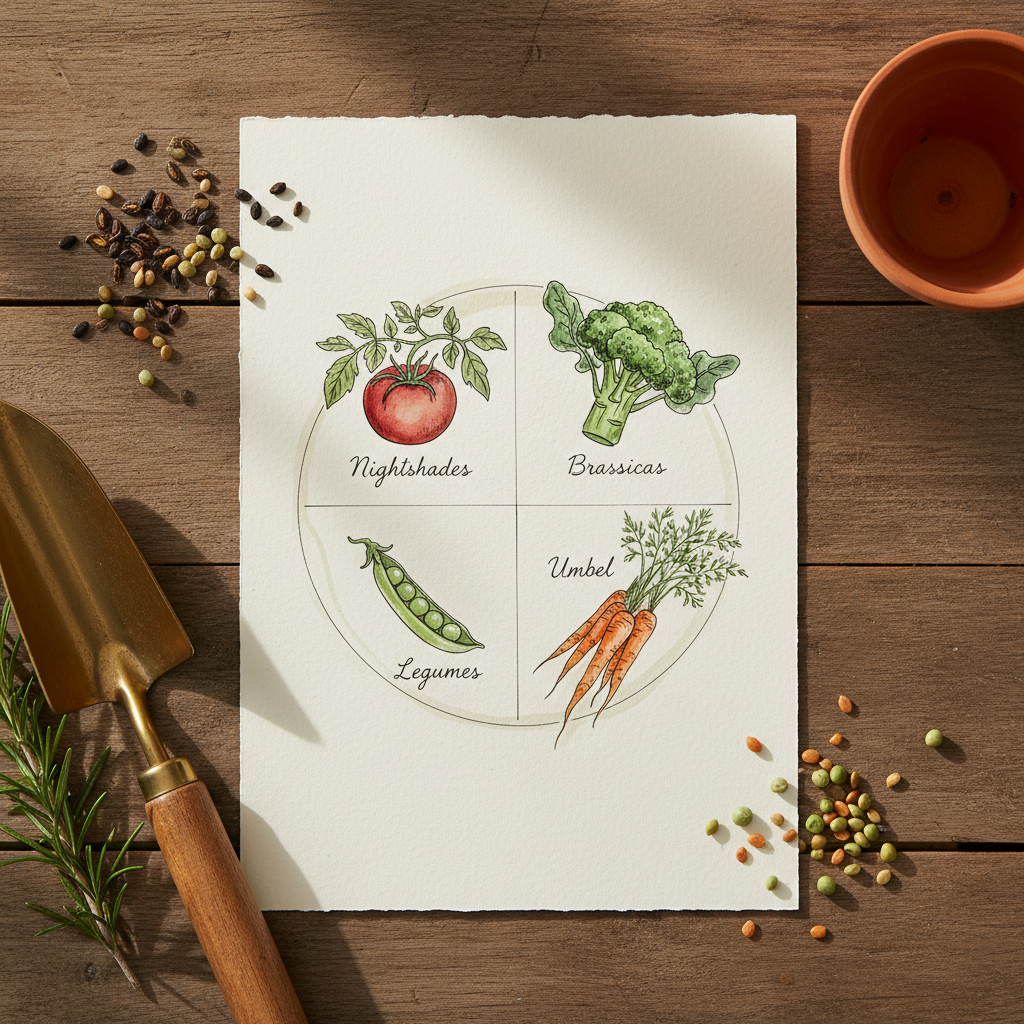
Every winter, I’ve noticed a recurring pattern among fellow gardeners: we spend months dreaming of heirloom tomatoes and leafy greens, only to be frustrated when the same pests and diseases reappear by mid-summer. If you feel like your garden is stuck in a loop of "same bed, same problems," the solution is often simpler than you think. It's time to talk about crop rotation.
Crop rotation is the practice of changing where you plant specific vegetable families each year. By moving your crops, you break the life cycle of pests and keep your soil nutrient-dense. Here is why this simple strategy is the secret to a thriving vegetable garden.
1. Break the Pest Life Cycle
Many garden pests, like potato beetles or squash bugs, overwinter in the soil right where they feasted last season. If you plant their favorite food in the exact same spot next spring, you’re essentially providing them with a "breakfast in bed" service. Moving your plant families forces these pests to travel or starve, significantly reducing their impact on your harvest.
2. Prevent Soil-Borne Diseases
Fungal and bacterial diseases, such as tomato blight or clubroot in brassicas, can linger in the soil for years. When you repeat the same crop family in the same soil annually, these pathogens build up to dangerous levels. A three-to-four-year rotation cycle gives the soil enough time for these disease levels to naturally dissipate.
3. Maintain Balanced Soil Nutrition
Different plants have different "appetites." Corn and leafy greens are heavy nitrogen feeders, while root crops like carrots need more potassium. If you plant the same heavy feeder in the same spot year after year, you will eventually strip the soil of specific nutrients. Rotating crops—especially incorporating legumes like peas or beans—helps the soil recover and stay balanced.
4. Improve Soil Structure
Plants have different root architectures. Deep-rooted crops like parsnips or tomatoes help break up compacted soil, while shallow-rooted crops like lettuce act more like a living mulch. Changing these root structures every season ensures that different layers of your garden soil are being utilized and aerated effectively.
5. Group by Plant Families
The "golden rule" of crop rotation is to move the entire plant family, not just a specific vegetable. This means if you had tomatoes in Bed A this year, you shouldn't plant peppers, eggplant, or potatoes there next year, as they all belong to the Solanaceae family. Keeping a rotation of at least three years (though four is better) leads to noticeably healthier soil and fewer recurring problems.
Ready to map out your garden?
Winter is the perfect time to sit down with your seeds and a plan. Mapping out your beds ensures you won't accidentally plant your kale right back where the aphids left off last year.
Organize your garden rotations with the CozyGrow Garden Journal! It’s the easiest way to track what you planted where, so your soil stays healthy year after year.
Download the CozyGrow Garden Planner and start your rotation plan today!
Start planning your garden →