When to Start Seeds Indoors: A Guide for Beginners
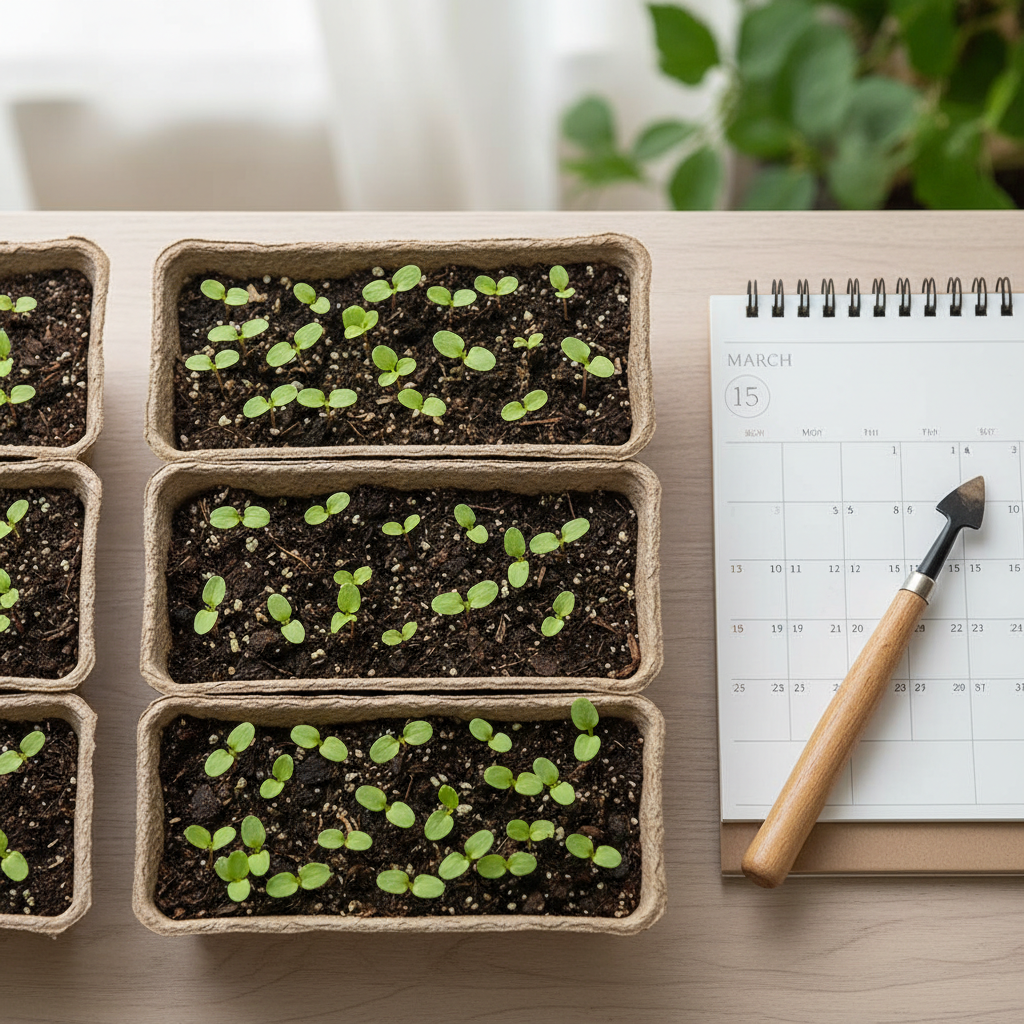
When I first started gardening, I made the classic mistake of sowing everything in February. I ended up with leggy, overgrown plants that were root-bound and weak by the time May arrived. The secret I learned? It isn’t about starting as early as possible—it’s about working backward from your local climate.
By following these four simple timing rules, you can ensure your seedlings stay strong and transition to the garden seamlessly.
1. Identify Your Last Frost Date
The foundation of any good seed starting schedule is your local average last frost date. Everything you grow will be categorized by how many weeks before this date they need to be sown. You can find this date by entering your zip code into a gardening zone map or checking with a local university extension office.
2. Read the Back of the Seed Packet
Seed packets are your best friend. Most will specify something like, "Start indoors 6–8 weeks before the last frost." If you start a tomato plant 12 weeks early instead of 6, it will become too large for its starter pot, leading to transplant shock. Using a seed starting tracker to log these specific dates for each variety will save you from guessing.
3. Account for "Hardy" vs. "Tender" Crops
Not all plants are created equal. Hardy plants like kale or pansies can often be started earlier because they can handle a light frost. However, tender crops like basil, peppers, and cucumbers shouldn't even think about going outside until the soil is warm. Avoid the temptation to rush your warm-weather crops; they actually grow faster and healthier when planted in warmer conditions.
4. Factor in Hardening Off Time
Remember that your "start date" needs to allow for an extra week of "hardening off." This is the process of gradually acclimating your indoor seedlings to the wind and sun. If your goal is to plant in the ground on May 15th, your plants should be the ideal transplant size by May 7th so you have that final week for transition.
Use a Tracker to Stay Organized
The most helpful thing I did was move away from scraps of paper and start using a dedicated system. Seeing your sowing dates, germination times, and transplant windows in one place ensures you never miss a window. Better timing leads to stronger seedlings and a much more successful harvest!
Ready to get organized? Keep all your dates, notes, and progress photos in one place with the CozyGrow Garden Planner. It’s the easiest way to make sure your garden stays on schedule this spring!
Start tracking your garden today with the CozyGrow Planner!
Start planning your garden →