Garden Tracker for Better Harvests: Digital vs. Paper Journals
Why Use a Garden Tracker?
Every season, gardeners face the same mystery: Which variety of tomato actually produced the most fruit? When exactly did I plant those peas to avoid the summer heat?
If you rely on memory alone, you're likely to repeat the same mistakes year after year. Using a garden tracker changes the game. By documenting your planting dates, soil amendments, and final yields, you transform your backyard into an efficient food producer.
Method 1: The Digital Spreadsheet
For gardeners who love data and efficiency, a digital tracker (like Google Sheets or a specialized app) is a powerhouse.
- Pros: It's easy to sort data, calculate days to maturity automatically, and search for specific dates from previous years. You can take photos on your phone and link them directly to your logs.
- Cons: It can feel a bit "clinical." There's no physical record to flip through while sitting in the garden, and tech glitches can be frustrating.
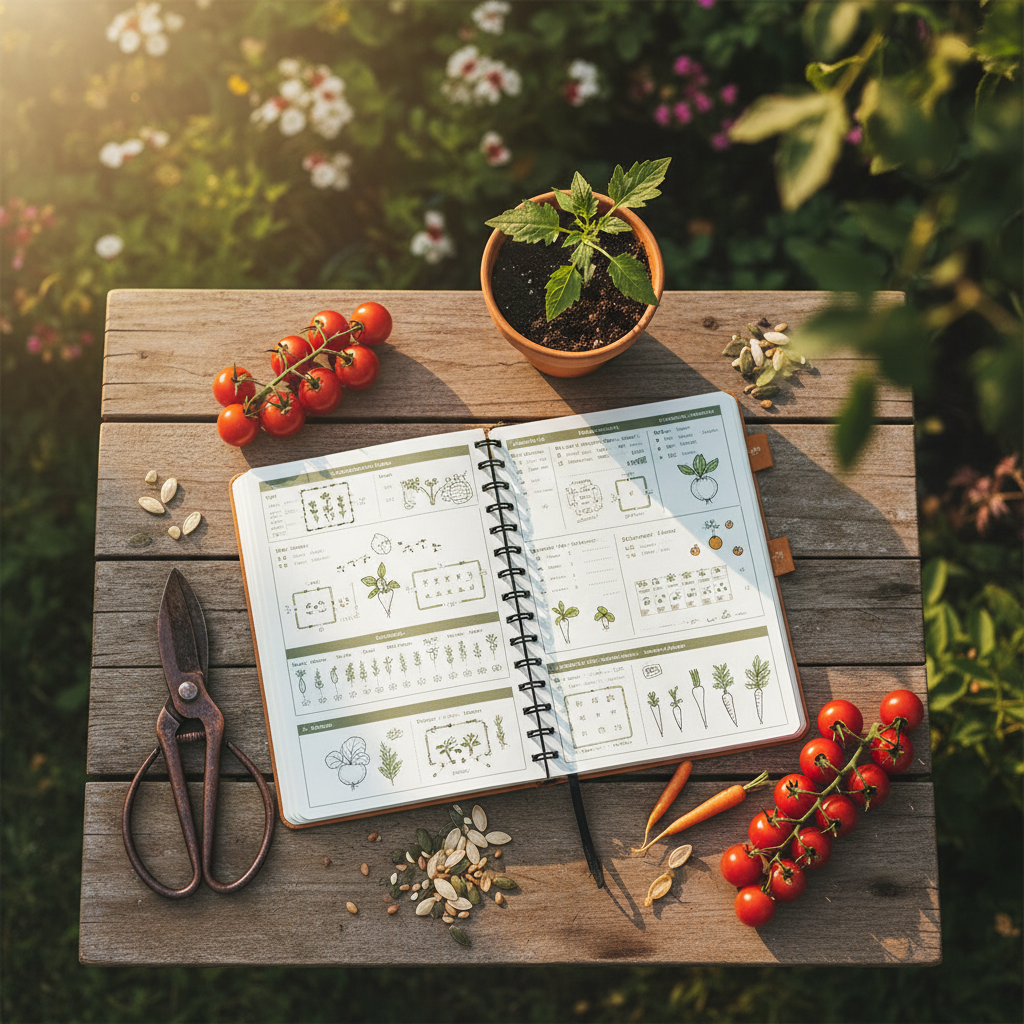
Method 2: The Physical Garden Journal
There is something deeply satisfying about a pen-and-paper tracker.
- Pros: It allows for quick sketches, pressed flowers, and weather-stained pages that tell a story. It's accessible right in the garden without worrying about screen glare or battery life.
- Cons: It's harder to organize over multiple years. Finding a specific note from three years ago might require flipping through hundreds of pages.
The Key to Better Harvests: Tracking the "Why"
Regardless of the method you choose, the most important metric to track is your harvest results.
To repeat your best seasons, you must record:
- Variety Name: Not just "Carrots," but "Danvers Half Long."
- Planting vs. Harvest Dates: Did they actually mature in the time promised on the seed packet?
- Yield Weight/Quantity: Did that bed produce 5 lbs of peppers or 15?
- Weather Anomalies: Was there an unexpected late frost or a mid-July drought?
Which Approach is Right for You?
If you are a "results-focused" gardener who wants to maximize every square foot, a structured garden journal that combines the best of both worlds is your best bet. Look for a tool that provides templates for tracking so you don't have to design the system from scratch.
By consistently updating your garden tracker, you stop guessing and start growing with confidence. Next year, you won't be wondering which seeds to buy—you'll already have the data to prove what works in your soil.
Ready to grow your best season yet? Start tracking your progress with the CozyGrow Garden Planner today!
Start planning your garden →